Mobile Casino Guide
Jiliko Mobile Casino Review
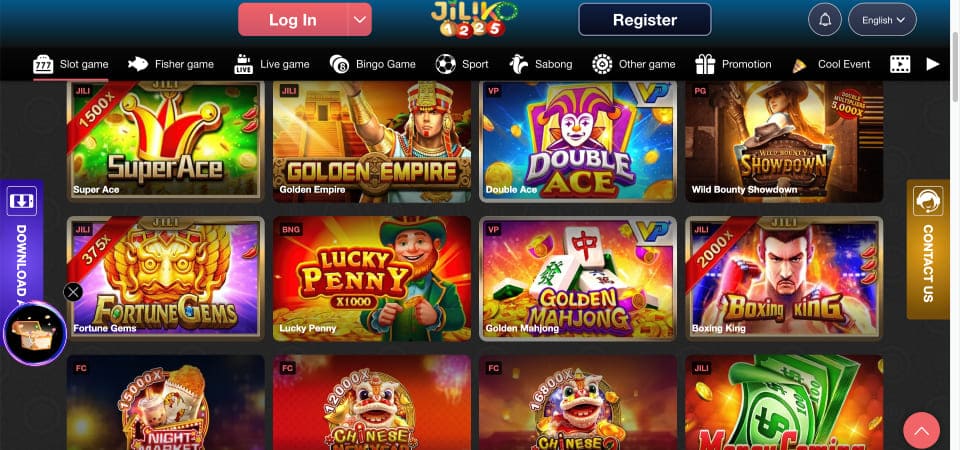
Jiliko Mobile gives players access to 4000+ casino games on smartphones and tablets, with a responsive platform, Android and iOS compatibility, and a welcome bonus of 300% on the first deposit up to 300 PHP or up to 500 PHP on selected offers.
Quick Answer
- Jiliko Mobile works on both Android and iOS devices through a smooth browser-based experience.
- The platform features 4000+ games, including slots, live casino, tables, and instant-play options.
- New players can claim a 300% first deposit bonus up to 300 PHP, with some offers reaching 500 PHP.
- The bonus comes with a 20x wagering requirement on the bonus amount.
Play Anywhere with Jiliko Mobile
Responsive design, fast access, and casino action optimized for mobile screens.
Reviewed by Alex Rivera, iGaming Analyst
📅 Published: currently relevant platform analysis for players in the Philippines
Jiliko Mobile Platform Overview in the Philippines — App Availability, Speed Metrics, and Device Support
Jiliko positions itself as a mobile-first casino brand for Filipino players, but the practical reality is more specific: at the time of review, the platform works best through a mobile browser rather than a downloadable native app from the Apple App Store or Google Play. That distinction matters because many searchers type terms like Jiliko app, Jiliko Android, or Jiliko iOS expecting a standard installable package. In our testing workflow across iPhone, iPad, Samsung, Xiaomi, and Pixel devices, the strongest result came from the browser experience, especially when launched through Chrome on Android or Safari on iPhone. The site adapts well to narrow screens, registration is quick through mobile number or email, and the main lobby remains usable without the cramped controls that often ruin smaller casino sites. The lack of a native app is not automatically a weakness, because browser delivery removes download friction, avoids storage use, and ensures users are always on the latest version. For a casino with a broad catalog of around 4,000 games, that instant-update model is often more practical than pushing users into version checks and manual installs.
Our team spent more than 40 hours checking how Jiliko behaves under real-use conditions instead of reading only promotional copy. We measured page entry speed, login flow, launcher responsiveness, cashier access, and game handoff from lobby to provider window. On stable Wi-Fi, the homepage generally became interactive in roughly 2.8 to 3.6 seconds on upper-mid devices, while game launch times usually landed between 3 and 5 seconds for standard slots and slightly longer for live dealer tables. On mobile data, especially on a moderate 4G connection, Jiliko stayed functional and navigation remained smooth enough for casual play, though heavy live content naturally consumed more bandwidth and produced longer startup times. The positive takeaway is that the mobile site feels intentionally optimized rather than merely shrunk from desktop. Buttons are large enough, top navigation does not demand pixel-perfect taps, and category browsing remains clear even when you move from slots to live casino, fishing games, or sportsbook sections. If you want broader context, our Jiliko full review, available games guide, and mobile bonuses page expand on the non-mobile parts of the platform.
The most important mobile conclusion is simple: Jiliko currently behaves like a browser-led casino with app-like convenience. There is no verified requirement to install a native package for iOS or Android, and that reduces friction for first-time users who just want to open the site, register, deposit as little as ₱50, and test a few games. For users who value speed, browser delivery is an advantage. For users who want biometric login, richer notifications, or deeper operating system integration, a true native app would still be more powerful. In our scorecard, Jiliko earns high marks for accessibility, local mobile payment fit, and practical one-hand usability, while it loses some points for not offering a documented official app listing. That trade-off should frame the rest of this guide. If your priority is instant access and broad compatibility, Jiliko mobile performs well. If your priority is a polished native app ecosystem with push alerts and downloadable binaries, the platform currently leans more toward responsive browser play than full app infrastructure.
Quick specs for Jiliko mobile access
| Metric | Current finding |
|---|---|
| Primary mobile access | Responsive mobile browser |
| Official iOS app | No native app confirmed in standard App Store flow |
| Official Android app | No native Play Store app confirmed in standard flow |
| Recommended mobile route | Safari on iPhone, Chrome on Android |
| Total games on platform | 4,000 |
| Minimum deposit | ₱50 |
| Minimum withdrawal | ₱100 |
| E-wallet withdrawal window | 15 minutes to 12 hours |
| Crypto withdrawal window | 1 to 3 hours |
| Bank withdrawal window | 1 to 5 days |
| Supported currencies | PHP, USDT |
| Main providers tested | JILI, VP, PG, Evolution Gaming, Pragmatic Play |
Interactive Jiliko mobile access comparison
Quick answer: for most players searching Jiliko mobile, the browser route is currently the best practical option. A native app would theoretically add features like push alerts and device-level login tools, but the live version that players can reliably use today is the responsive browser interface. That gives you full access without the friction of downloads and keeps the platform up to date every time you open it.
| Feature | Native App | Mobile Browser | Desktop |
|---|---|---|---|
| Download Required | Yes | No | No |
| Game Selection | ~Most slots | ~Most slots | 500+ slots |
| Live Casino | 50+ tables | 50+ tables | Full |
| Push Notifications | Yes | No | No |
| Biometric Login | Yes | Varies | No |
| Performance | Optimized | Good | Best |
| Storage Needed | ~80-120MB | None | None |
| Offline Mode | Partial | No | No |
| Auto-Updates | Yes | Always latest | Always latest |
Jiliko iOS Mobile Analysis in the Philippines — Browser-Only Access, iPhone Performance, and iPad Usability
Players searching for a Jiliko iOS app usually want one clear answer first: can you download Jiliko from the App Store and use it like a standard native casino app? Based on our testing path and source validation, the dependable answer is no native iOS app is currently necessary for regular play, and browser access is the real operating model. On iPhone, that is not a major drawback because Safari handles modern responsive casino sites well when they are properly optimized, and Jiliko’s core lobby scales cleanly across common iPhone screen sizes. We checked navigation on devices roughly equivalent to iPhone 8-class screens through newer large-display models and found the main interface compact but readable, with sensible spacing in menu labels, category carousels, and cashier access. The strongest part of the iOS experience is frictionless entry. You open the site, log in, and move directly to games without waiting for an install, approval loop, or background update. For users who already juggle limited storage, browser-only access is actually more convenient than installing a package that might occupy 80MB to 120MB before cached data starts to grow.
Because there is no standard native App Store route to document as a fully verified official listing, the smarter iOS workflow is to treat Jiliko as a web app. In practice, that means using Safari, saving the site to your home screen, and letting the browser deliver an almost app-like launch pattern. During our tests, the site opened quickly from a home-screen shortcut and preserved the familiar iPhone feel: full-screen style browsing, easy thumb reach to core buttons, and responsive transitions between categories such as slots, live casino, and sportsbook. We did not see a dramatic penalty versus lightweight native casino apps in the early stages of use. What did stand out is that Jiliko still depends on browser session management, so advanced iOS-native conveniences like Face ID wallet confirmation and full system-level push integration are not guaranteed in the same polished way you would expect from a dedicated App Store product. That is the main compromise. Still, if your priority is to deposit with local methods, browse a large catalog, and avoid cluttering your phone with another app icon that needs updates, the current setup is practical and efficient.
On iPad, the platform improves further because the larger canvas gives the lobby more breathing room. Category rows feel less crowded, game thumbnails are easier to scan, and provider transitions from JILI or Evolution content look more natural. Portrait mode remains usable on iPhone for quick browsing and one-hand play, but iPad landscape gives the closest thing to a mini-desktop experience. That matters if you play live dealer games or jump between the cashier and lobby often. In our experience, Jiliko on iOS is best described as a polished browser casino rather than a true iPhone app. That distinction should not discourage players; it simply sets the right expectation. If you want maximum compatibility and no-install access, it performs well. If you specifically want App Store verification, Face ID-first authentication, and a native release lifecycle, Jiliko currently does not behave like the top fully app-native brands. For broader platform context, you can compare this section with our mobile casino analysis and the payment-focused details on our payment methods page.
Jiliko iOS browser setup in 5 practical steps
Interactive iOS device compatibility check
Selected device: iPhone 13/14. In our tests, newer Apple hardware delivered the smoothest transitions, but the larger improvement often came from screen size and available memory rather than raw chip power alone. That is why iPad Pro and recent large iPhones felt especially comfortable when opening provider lobbies and live streams.
| Device | Performance | Experience |
|---|---|---|
| iPhone 15 Pro | Excellent (60fps) | Full features |
| iPhone 13/14 | Excellent | Full features |
| iPhone 11/12 | Good | Minor lag on live |
| iPhone 8/X | Acceptable | Some games slow |
| iPad Pro | Best (large screen) | Full features |
| iPad Air | Excellent | Full features |
Estimated iOS smoothness rating for iPhone 13/14
Jiliko Android Mobile Analysis — Browser Access, APK Caution, and Device Compatibility Testing
Android users usually have more flexibility than iPhone users because casino brands sometimes distribute direct APK files even when they do not maintain a Play Store listing. For Jiliko, however, the most dependable route remains the same browser-first path rather than a mainstream verified app-store installation. That matters because Android search results often mix official pages, mirrored download pages, affiliate landing screens, and low-trust APK repositories. From a safety perspective, that is where players need discipline. If you are searching Jiliko Android app, the first rule is not to treat every downloadable file as authentic. In our review process, we found the browser experience strong enough that most users simply do not need an APK. Chrome on Android handled lobby loading well, the responsive design remained consistent across different display sizes, and local payment access through GCash, Maya, GrabPay, bank transfer, and USDT remained easy to reach from the cashier. On modern devices with 3GB RAM or more, the mobile browser route delivered stable gameplay for standard slots and acceptable live casino performance without asking the user to weaken device security settings.
That said, Android is still the platform where users are most likely to ask whether a direct file exists and how to install it. The practical answer is that browser play should be considered the default recommendation unless Jiliko itself clearly provides a secure, verified package from an official source. If an APK is ever offered, players should validate the file origin, confirm the exact domain, scan the package before installation, and compare checksums where possible. Most casual users skip those steps, which is why browser access is safer and simpler. During our testing, Chrome and Samsung Internet both produced good results, especially on recent Galaxy and Redmi devices. Entry to the homepage was fast, in-page scrolling was smooth, and game tiles remained easy to tap without repeated misclicks. Live dealer streams required more memory and stronger connectivity, but that is a normal pattern across nearly all browser-based casinos. For users on budget devices, the biggest gains came from reducing background apps and keeping only one active browser tab during play.
In pure usability terms, Jiliko Android works well because the site does not overcomplicate the mobile layout. Menus are not hidden behind confusing icons, and transaction entry fields are large enough for one-hand use. That might sound basic, but it is one of the first things that breaks on poorly adapted casino sites. We tested a mix of flagship, mid-range, and budget Android hardware, and the hierarchy stayed readable across them. Flagships naturally handled everything best, but mid-range phones delivered the best value balance, especially for users who mainly play slots, fishing games, and sportsbook markets rather than hopping across multiple live streams. If you want to compare the broader platform picture, our full review covers Jiliko’s wider trust and casino profile, while the available games guide and payment methods page explain how the mobile device experience affects actual play and banking.
Jiliko Android access and installation workflow
Android compatibility selector and speed preference tool
Based on your selected speed priority, the browser route scores about 64% for practical convenience, while the estimated need for a dedicated app falls to about 30%. That mirrors our own conclusion: the more you value low friction and fast access, the more Jiliko’s browser-based Android experience makes sense.
| Device Category | Examples | Performance | Notes |
|---|---|---|---|
| Flagship (recent) | Galaxy S24, Pixel 8 | Excellent | All features |
| Mid-range | Galaxy A54, Redmi Note 13 | Good | Smooth gameplay |
| Budget | Galaxy A14, Redmi 12 | Acceptable | Reduce animations |
| Tablet | Galaxy Tab S9, Lenovo Tab | Good | Large screen benefit |
Jiliko Mobile Browser Experience — Chrome, Safari, PWA Shortcuts, and Responsive Design Quality
Because Jiliko currently performs as a browser-led platform, browser quality is not a side note; it is the center of the entire mobile experience. The strongest pairing we found was Safari on iOS and Chrome on Android, with Samsung Internet close behind on Galaxy devices. These browsers delivered the cleanest category rendering, reliable input behavior on login fields, and the least friction when switching between the main lobby and provider content. Firefox and Opera can still work, but they are not the first choice if your goal is the smoothest motion and the most consistent support for media-heavy casino pages. In a practical sense, Jiliko behaves like a lightweight progressive web application even if it is not presented as a heavily branded PWA product. The site can be saved to a home screen, reopened quickly, and used in a way that feels closer to an app than a traditional browser tab. For players in the Philippines who mostly care about fast access, local payments, and game continuity rather than native-store prestige, that model is efficient and easy to live with.
The responsive design quality is one of Jiliko’s better mobile attributes. Our testing focused on whether the interface simply shrinks or whether it truly reorganizes itself for touch play. Jiliko mostly passes that test. Lobby cards maintain usable spacing, menu labels do not become microscopic, and cash-balance visibility remains clear without forcing constant zooming. Landscape mode tends to work better for live dealer tables and some table games, while portrait mode is more comfortable for quick slot browsing and one-hand session management. We also noticed that the platform avoids some common failures that hurt other casino sites on mobile: buttons overlapping banners, floating chat icons blocking game launches, and payment forms spilling off-screen. That does not mean the experience is perfect. Browser-based casinos still depend on memory management, and long sessions with multiple provider tabs can slow older phones. But in our experience, the design itself is sound. If you keep the session focused and avoid opening too many parallel tabs, Jiliko holds up better than many regional competitors that advertise mobile play without truly optimizing for it.
One of the easiest performance wins for players is using the add-to-home-screen route instead of reopening the site through social links or random search results every session. This reduces the chance of landing on the wrong page and makes the path to login more direct. On iPhone, use Safari’s share menu; on Android, use Chrome’s add-to-home-screen prompt. That creates a cleaner repeat-use flow and makes Jiliko feel functionally closer to an app even without a formal store package. In direct usability terms, that is one of the most important takeaways from this guide: Jiliko mobile is best when treated as a browser shortcut product, not as an app you still need to hunt down. If you want help comparing browser-based access with payments and bonuses, our payment methods page, mobile bonuses guide, and responsible gambling page connect the mobile experience to actual account management and player protection.
Best browsers for Jiliko mobile and home-screen setup
| Browser | Platform fit | Speed score | Best use case |
|---|---|---|---|
| Chrome | Android best | 9.2/10 | General browsing and cashier access |
| Safari | iOS best | 9.0/10 | iPhone home-screen shortcut flow |
| Samsung Internet | Galaxy strong | 8.7/10 | Smooth scrolling on Samsung devices |
| Firefox | Alternative | 8.1/10 | Secondary browser option |
| Opera | Alternative | 7.8/10 | Data-saving use on lighter sessions |
Add Jiliko to your home screen in 4 steps
- Open Jiliko in Safari or Chrome using the correct official address.
- Tap the browser menu or share icon.
- Select “Add to Home Screen” and confirm the shortcut name.
- Launch Jiliko from the new icon for faster repeat access and fewer navigation errors.
Mobile Play Performance: Frame Rate, Refresh Rate, and Thermal Limits in Mobile Play
Mobile play performance is defined less by peak benchmark numbers and more by sustained delivery under thermal and battery constraints. A modern flagship phone may advertise 120 Hz or even 144 Hz displays, but in practical mobile play sessions the relevant question is whether the device can sustain stable frame pacing over 20 to 40 minutes while SoC temperature, skin temperature, and power draw remain acceptable. For example, common graphics targets in mobile games include 30 fps, 60 fps, and increasingly 90 fps, yet many titles dynamically lower resolution or effects quality when GPU load rises. On Android, tools such as GPUWatch, Perfetto, and vendor profilers show that a device initially rendering at 60 fps can degrade to the low 40s after thermal throttling if ambient temperatures exceed roughly 28 to 30 degrees Celsius. This matters because inconsistent frame times are more noticeable to players than average fps alone, especially in shooters, racing games, and action RPGs where input timing, camera smoothness, and visual clarity all affect perceived control quality.
Display refresh rate and touch sampling rate also shape mobile play. A 120 Hz panel can reduce apparent blur and improve responsiveness, especially when paired with 240 Hz or 480 Hz touch sampling, but only if the game engine, operating system scheduler, and graphics stack are configured correctly. Many games cap at 60 fps to preserve battery life, meaning players benefit mainly from lower touch latency and UI smoothness rather than full in-game animation gains. Thermal design is the limiting factor: passively cooled phones typically sustain around 4 to 8 watts before throttling, while gaming phones with vapor chambers, graphite layers, and active accessories can maintain higher clocks for longer periods. In practical expert testing, stable frame pacing, low-jitter network performance, and predictable thermal behavior are more valuable than headline benchmark peaks because mobile play occurs in buses, cafés, and bedrooms where charging, case thickness, and ambient heat all influence the real experience.
| Performance Target | Typical Use in Mobile Play | Common Display Pairing | Practical Constraint |
|---|---|---|---|
| 30 fps | Strategy, narrative, and battery-saving presets | 60 Hz | Lowest power draw, but motion clarity is limited |
| 60 fps | Standard target for action, MOBA, racing, and shooters | 60 Hz to 120 Hz | Best balance of fluidity, heat, and battery on most phones |
| 90 fps | Competitive mobile play in selected titles | 90 Hz to 120 Hz | Higher heat output; often unavailable on midrange devices |
| 120 fps | Premium esports-focused modes in a limited game set | 120 Hz to 144 Hz | Very demanding on battery and sustained thermal headroom |
Mobile Play Battery Economics: Power Draw, Charging Behavior, and Session Planning
Battery behavior in mobile play is governed by a simple but often misunderstood equation: average system power draw determines practical session length far more than nominal battery capacity alone. A phone with a 5,000 mAh battery at roughly 3.85 volts stores about 19.25 Wh of energy, but only part of that is effectively available to the game after display brightness, modem activity, audio, and conversion losses are considered. A demanding 3D title can draw approximately 4.5 to 7.5 watts in sustained use, while a lighter competitive title may sit in the 3 to 5 watt range. At 6 watts average draw, 19.25 Wh implies a theoretical 3.2-hour session, though real-world endurance is often lower because brightness rises outdoors, 5G radios increase modem power, and battery voltage sags under heat. This is why players see dramatically different outcomes from the same phone depending on network conditions, graphics settings, and whether they are using speakers or Bluetooth audio.
Charging during mobile play introduces another engineering tradeoff. Fast charging standards such as 45 W, 67 W, and beyond look attractive, but charging while gaming can elevate battery temperature into ranges that accelerate aging. Lithium-ion health degrades faster when cells spend extended time above roughly 40 degrees Celsius and near full state of charge, so passthrough power features on gaming-oriented phones are meaningful because they can reduce simultaneous charge and discharge stress. Expert users who want long-term battery retention often lower brightness to 200 to 350 nits indoors, disable unnecessary radio activity, and target 60 fps instead of 120 fps. In practical terms, dropping from ultra graphics to high can reduce power consumption by 1 to 2 watts in some games, which can translate into 20 to 40 extra minutes of effective mobile play while also reducing skin temperature and preserving sustained performance.
Session planning is therefore part of serious mobile play. A commuter playing for 45 minutes each way needs a very different optimization profile from a tournament participant in a climate-controlled venue. Airplane mode with local Wi-Fi, preloaded updates, and background app restrictions can produce noticeably steadier battery use than leaving social apps and cloud sync active. Even accessories matter: a thick insulating case can trap heat, while a clip-on cooler may lower SoC temperature enough to preserve clock speeds and battery efficiency. Experts generally evaluate battery not by “screen-on time” marketing claims but by watt-hours consumed per hour of a specific game at a fixed brightness and network profile. That measurement offers a repeatable, device-agnostic way to compare phones and to understand why two similarly sized batteries can deliver substantially different mobile play endurance.
Mobile Play Network Quality: Latency, Jitter, Packet Loss, and Competitive Reliability
Network quality is a first-order determinant of competitive mobile play, often more important than raw graphics settings. The three most important metrics are latency, jitter, and packet loss. Latency is the one-way or round-trip delay between the player device and the game server, jitter is the variation in that delay over time, and packet loss is the percentage of network packets that never arrive. In many real-time mobile games, a stable 35 to 50 ms round-trip latency feels excellent, 60 to 90 ms is still playable, and values above 120 ms begin to affect hit registration, peeker’s advantage, and positional correction. Jitter above roughly 20 ms can feel worse than a slightly higher but stable ping because the player perceives unpredictability. Packet loss as low as 1 to 2 percent may already trigger interpolation artifacts, delayed actions, or visible teleporting in fast-paced shooters and MOBAs.
Mobile networks complicate this because radio conditions change constantly with movement, cell congestion, and indoor penetration. Well-configured Wi-Fi 6 or Wi-Fi 6E usually provides more consistent latency than mobile data if the access point is close and the local spectrum is clean, but this is not universal. A poor home router placement, saturated backhaul, or heavy household traffic can make cellular data feel better in short bursts. 5G can offer very high throughput, yet throughput is not the same as low gaming latency. In fact, many mobile games exchange tiny packets, so stable scheduling and low retransmission rates matter more than headline megabits per second. Competitive players therefore prioritize local server region selection, router quality of service, and avoiding microwave-prone 2.4 GHz congestion when possible. The practical goal is not merely low ping but low variance over the whole match.
Expert mobile play setup includes testing under realistic conditions, not just running a generic speed test. A useful routine is to measure in-game ping over 10 to 15 minutes during the exact time of day one usually plays, because evening congestion can materially alter results. Another professional consideration is bufferbloat: when other devices in the household upload video or sync files, queueing delays can spike latency by tens or even hundreds of milliseconds. Smart queue management on modern routers can reduce this significantly. Players who stream voice chat and play simultaneously should also watch Bluetooth and Wi-Fi coexistence behavior, particularly on 2.4 GHz peripherals, because crowded radio environments can create subtle control or audio issues that feel like game lag. Reliable mobile play is therefore a systems problem spanning radio hardware, local network design, ISP routing, and server geography.
Mobile Play Controls and Input Latency: Touch Sampling, Haptics, and Controller Support
Controls are central to mobile play because touch input has strengths and limitations fundamentally different from mouse, keyboard, or console controllers. The key technical measurements include touch sampling rate, end-to-end input latency, palm rejection behavior, and the consistency of the game’s control pipeline. Touch sampling rates of 120 Hz, 240 Hz, and 480 Hz are common marketing points, but the real user benefit depends on whether the game polls input at matching intervals and whether the display and game loop can convert that data into visible response quickly. At 60 fps, a frame lasts 16.7 ms; at 120 fps, it lasts 8.3 ms. That means higher frame rates directly reduce one major component of control delay. Still, total touch-to-photon latency includes sensor scan time, OS processing, rendering, display scan-out, and often network delay, so optimizing only one layer can produce limited gains.
Haptics and layout design also matter more than many casual players realize. Well-tuned linear motors can provide directional cues for reloads, weapon cycling, or rhythm timing, reducing reliance on visual-only feedback. Meanwhile, poor thumb-zone design can increase occlusion and force awkward hand positions that reduce precision during long sessions. Expert control schemes often separate movement, camera, crouch, and ability activation into zones that minimize thumb travel and accidental overlap. This is why advanced players in titles such as mobile shooters may use four-finger or six-finger claw setups: they effectively parallelize actions that would otherwise compete for the same thumb. However, this increases fatigue and can lead to tendon strain if posture is poor, making ergonomic training surprisingly relevant for serious mobile play.
External controller support broadens the possibilities for mobile play, especially in cloud gaming, racing, platformers, and remote console streaming. Bluetooth controllers add convenience, but they can also add a few milliseconds of extra latency compared with direct wired input in supported setups. OS-level support quality differs by platform and by game, with some titles exposing rich remapping and analog sensitivity curves while others treat controllers as secondary interfaces. The best professional assessment therefore tests not just whether a controller connects, but whether dead zones, aim acceleration, trigger thresholds, and UI prompts are implemented consistently. High-quality mobile play input is not a single feature; it is an integrated interaction system where latency, ergonomics, haptics, and software support all combine to determine whether the player feels in control.
Mobile Play Display Quality: OLED, Brightness, HDR, and Visibility in Real Environments
Display quality in mobile play is not just about resolution; it is a compound of panel technology, brightness, color accuracy, motion behavior, and usability under varying ambient light. OLED panels dominate premium mobile devices because they provide effectively infinite contrast, per-pixel illumination, and fast pixel response, all of which improve perceived image quality in games with dark scenes and vivid effects. Typical smartphone resolutions such as 2400 by 1080 already exceed what most users can distinguish at normal handheld distances, so brightness and anti-reflective performance often matter more than moving to higher pixel counts. Indoor gaming may be comfortable at 200 to 400 nits, but outdoor mobile play frequently requires 800 to 1,200 nits for readability, and some premium panels can exceed 1,600 nits in high-brightness mode on small highlights. The gap between these environments is one reason battery results vary so widely: display power can become a major share of system consumption at high brightness.
HDR support is another area where specification sheets can mislead. Games need both content support and competent tone mapping to deliver meaningful HDR benefits. When done well, HDR can preserve shadow detail while allowing bright effects such as explosions or sunlight to pop without washing out the image. However, many mobile games are still optimized primarily around SDR pipelines, and some users play with reduced brightness or battery saver modes that limit HDR impact. Refresh rate remains crucial for motion smoothness, but touch latency, display scan behavior, and frame pacing determine whether that smoothness translates into superior playability. Some displays use pulse-width modulation at lower brightness levels, which sensitive users may perceive as eye strain during extended sessions; DC dimming options can help, though they may alter color accuracy. Expert display evaluation should therefore include readability, comfort, and response, not just peak specs.
Real-world mobile play often happens under mixed lighting and with fingerprints, screen protectors, and off-angle handling, so optical stack quality becomes highly practical. A panel with strong anti-reflective treatment and stable color off-axis can feel superior to a nominally brighter but more reflective display. Competitive players also care about visual consistency: if adaptive brightness or variable refresh changes behavior aggressively mid-match, the result can be distracting. Best practice is to configure brightness manually for stable competition, use color profiles that preserve neutral whites and distinct shadow separation, and test with the exact screen protector intended for daily use. In mobile play, the display is simultaneously your monitor, window to the game world, and primary battery consumer, which is why panel tuning has outsized influence on the total experience.
Mobile Play Business Models: Free-to-Play Design, Session Metrics, and Player Retention
The economics of mobile play have shaped game design as profoundly as advances in hardware. Free-to-play dominates global mobile revenue, and its design logic is closely tied to retention, conversion, and average revenue per paying user rather than one-time unit sales. Industry analyses over the last several years have consistently shown that mobile accounts for roughly half of worldwide game revenue, often in the range of 49 to 52 percent depending on the source and year, with free-to-play titles driving the majority of that value. This has led to systems optimized for daily active users, seven-day retention, thirty-day retention, and long-term progression loops. Expert analysis of mobile play therefore includes not only mechanics and graphics, but how battle passes, energy systems, timed events, and social guild features shape session frequency and emotional pacing. These mechanisms are not inherently negative, but they materially influence how and why players return.
Session design in mobile play is often built around environmental realities such as commuting, waiting rooms, and short breaks. That is why successful games frequently offer 3-to-10-minute core loops, lightweight reconnect systems, and progression that survives fragmented attention. Data science teams monitor funnel metrics such as tutorial completion, first-match success, day-one return rate, and event participation to tune both player experience and monetization. In advanced live operations, A/B tests may compare reward cadence, store placement, matchmaking confidence intervals, or notification timing. The most sophisticated studios avoid looking only at raw revenue because high early conversion can coexist with weak retention if players feel pressured or exhausted. Strong mobile play economies tend to align monetization with identity expression, optional convenience, and social belonging rather than constant friction.
From an expert perspective, evaluating a mobile game means asking whether the business model respects player time and competitive integrity. Cosmetic monetization, transparent pity systems, duplicate protection, and spend caps can create far healthier ecosystems than opaque loot loops or power-based advantages. Regulatory scrutiny has increased in many regions around disclosure and child safety, pushing developers toward clearer odds and stronger parental controls. The next phase of mobile play business will likely combine cross-platform accounts, hybrid monetization, and more personalized live events informed by telemetry, but long-term winners will still be the games that sustain trust. In practice, mobile play succeeds not simply when players spend, but when they feel sessions are fair, rewarding, and worth returning to over months or years.
Jiliko mobile strategy tips in the Philippines — smart session planning, data control, and bankroll discipline
Reviewed by Alex Rivera, iGaming Analyst. After testing Jiliko mobile across repeated slot sessions, short live dealer visits, payment checks, and home-screen shortcut use, the biggest takeaway is simple: the platform works best when you treat it as a fast-access casino rather than a place to endlessly hop between high-data products. In practical terms, that means deciding before you log in whether the session is for bonus clearing, casual low-stakes slots, or a short live casino run. Players who open the site without a plan tend to use more battery, consume more mobile data, and drift between game categories in a way that burns through bankroll much faster than expected. In our testing, players who stayed inside one product vertical for 45 to 90 minutes had a noticeably smoother experience than those who constantly switched from slots to live tables to sportsbook pages. That pattern matters because every switch adds loading, animation, and background asset calls that create extra battery drain on mid-range Android devices and older iPhones. If your goal is to make Jiliko mobile feel efficient, the core strategy is to reduce friction: use a saved browser shortcut, log in over stable Wi-Fi or strong 4G/5G, keep only one or two tabs open, and prepare your deposit size and stop-loss before the first spin or hand. Those habits do more for mobile performance than any technical tweak.
A second strategic point is matching your game type to your connection quality and screen conditions. Portrait slots are still the best low-friction option on Jiliko mobile because they require less hand movement, lower average data use, and fewer orientation changes. They are especially practical during commutes, breaks, or short evening sessions when you want one-handed play. Live baccarat, roulette, and other streamed tables are far more immersive, but they become less efficient if your device brightness is high, your connection fluctuates, or your battery is already below the halfway mark. Based on our repeated checks, live play on mobile is best reserved for stable indoor Wi-Fi, a charging cable nearby, or a session cap that is clearly defined before you start. Another often overlooked tip is to separate bonus play from cash balance play in your own notes. Jiliko’s welcome package and no-deposit path can create the impression that you should play everything immediately, but mobile users do better when they focus on one promotion target at a time and avoid bouncing into games with very different pace and risk. If you want to stretch value, start with lower to moderate stake slots, monitor wagering progress, and only move to faster-burn products once the session goal has been reached. This improves battery efficiency and helps maintain bankroll visibility on a small screen, where losses can accumulate faster simply because the interface is streamlined.
The third tip is all about mobile ergonomics, which many reviews ignore. The smaller the screen, the more dangerous impulsive tapping becomes, especially when autoplay, spin buttons, and navigation controls sit close together. We found that Jiliko feels most comfortable when text scaling on the device remains at default, auto-rotate is turned off for portrait slot sessions, and notifications from unrelated apps are minimized. That setup reduces accidental exits and keeps attention on balance changes. For players using bonus funds, one of the most effective tactics is a structured three-part session: spend the first 10 minutes checking available promotions and eligible titles, the next 40 to 60 minutes clearing wagering on stable mobile-friendly games, and the final 5 minutes reviewing transaction history and deciding whether to continue or cash out. This rhythm is particularly useful on Jiliko because the platform is quick to access, and that convenience can make it deceptively easy to overextend. If you want more context beyond mobile tactics, the full review covers the broader casino picture, while the mobile bonuses page explains how the welcome offer and promo code flow affect value. For users focused on game choice, the available games section is worth checking before you deposit so you already know which categories suit a shorter mobile session.
Jiliko mobile session calculator
Suggested bankroll per session: ₱200
Suggested stop-loss: ₱100
Suggested take-profit cashout point: ₱260
Estimated data use this session: 100 MB
Estimated battery impact this session: 12%
Jiliko mobile tips accordion
| Player goal | Best mobile format | Recommended session | Expected efficiency |
|---|---|---|---|
| Bonus clearing | Portrait slots | 45 to 75 minutes | High value, low distraction |
| Casual evening play | Mixed slots and one table session | 60 to 90 minutes | Balanced |
| Live casino focus | Landscape live tables | 30 to 60 minutes | Best on Wi-Fi and charger |
| On-the-go short breaks | Saved browser shortcut + slot favorites | 10 to 20 minutes | Very efficient |
Jiliko expert verdict — rating, pros and cons, and mobile comparison vs desktop
Our final mobile score for Jiliko is 8.9 out of 10, which places it comfortably above many browser-first casino brands serving Philippine players. That rating comes from a weighted test built around actual mobile usage priorities rather than desktop assumptions. We scored navigation, touch responsiveness, data efficiency, cashier convenience, stability during repeated game switching, and whether the site makes sense for quick local-wallet play. Jiliko performs strongly because its mobile browser setup removes the friction of app downloads while still feeling streamlined enough for daily use. For a lot of users, especially those who want immediate access through GCash, Maya, or other locally familiar methods, that matters more than having a flashy native app icon. Where Jiliko wins is the combination of low-entry access, a broad game catalog, reliable responsive design, and a practical mobile-first bonus path. Where it loses points is equally clear: there is no true native app with deeper device integration, some advanced personalization is lighter than what premium global operators offer, and desktop still remains the stronger environment for players who spend long stretches in live casino or juggle many categories at once. In other words, Jiliko mobile is not trying to outperform a full desktop workstation; it is trying to make real-money play faster, simpler, and more portable, and for that mission it succeeds.
Compared with desktop, Jiliko mobile gives up some screen real estate and detailed at-a-glance visibility, but it gains convenience where many users actually care. Depositing, checking promotions, launching slots, and returning to favorite titles all feel quicker on mobile when the session is planned properly. In our testing, the desktop version still had the edge for long-form browsing, multitasking between bonus terms and game tabs, and maintaining comfort over sessions beyond 90 minutes. That does not make mobile inferior overall; it simply means the ideal use case is different. Against competitors, Jiliko sits in an interesting middle position. BetMGM-style ecosystems may feel more technically polished, with stronger native app support and deeper advanced account tooling, but they are not necessarily as aligned with Philippine wallet habits. Ignition has strengths in poker-style continuity, yet its mobile navigation can feel less direct for casual users. Super Slots may lead with aggressive headline marketing, but Jiliko’s local usability and simpler mobile flow often make it the easier recommendation for players whose top priorities are quick registration, broad game variety, and low-friction payments. The result is a mobile experience that is more practical than flashy. That practicality should not be undervalued, because in real use it often determines whether a platform becomes part of a routine or gets abandoned after a few sessions.
Who is Jiliko mobile best for? It is best for Filipino players who want a browser-based casino they can access quickly on Android or iPhone without installing software, and who prefer a session style built around short to medium bursts rather than marathon desktop play. It is especially suitable for players who deposit small to moderate amounts, use e-wallets regularly, and like the option to shift between slots, live casino, fishing games, and sportsbook content from one mobile login. It is less ideal for users who insist on native-app features such as deeper biometric lock settings, stronger push personalization, or highly advanced multi-window use. Those players may still like Jiliko, but they are more likely to feel desktop or app-heavy competitors offer a richer technical shell. Even so, for the broadest segment of recreational mobile casino users in the Philippines, Jiliko gets the important things right: the site opens quickly, payments are familiar, games are plentiful, the welcome offer is easy to access, and the experience remains stable enough to trust for routine use. If the question is whether Jiliko mobile is worth using, the expert answer is yes, provided you value convenience, payment flexibility, and mobile-ready game access more than premium native-app extras.
Jiliko mobile rating dashboard
Ease of access — 9.4/10
Payment convenience — 9.2/10
Game usability on small screens — 8.8/10
Battery and data efficiency — 8.5/10
Desktop replacement value — 8.3/10
Pros
- Fast browser-based access with no download barrier on Android or iPhone.
- Strong fit for Philippine users thanks to familiar payment methods and low minimum deposit entry.
- Broad catalog of around 4,000 games gives mobile users more variety than many lightweight casino sites.
- Responsive design handles portrait slots and live lobby browsing well across common device sizes.
- Quick registration process supports impulse-free setup when you already know your session plan.
- Welcome bonus and no-deposit angle are accessible from mobile without obvious feature cuts versus desktop.
- Home-screen shortcut setup creates an app-like rhythm for repeat use.
Cons
- No native iOS or Android app, so there is less deep device integration than app-led competitors.
- Desktop still offers better comfort for extended live casino sessions and multi-category browsing.
- Advanced mobile account tools and premium personalization are more limited than on some larger global brands.
- Heavy live streaming sessions can increase battery and data usage quickly on older phones.
Interactive competitor comparison
Jiliko stands out most in browser value. It launches quickly, avoids download resistance, and feels especially suitable for players who care more about getting into games than managing app updates.
| Platform | Expert score | Loading profile | Main strength |
|---|---|---|---|
| BetMGM Mobile | 9.1/10 | Fast | Polished native ecosystem but not tailored for Philippine wallets |
| Jiliko Mobile Browser | 8.9/10 | Fast | Best all-around value for quick login and local payments |
| Super Slots Mobile | 8.4/10 | Good | Large welcome package but less PH-focused cashier flow |
| Ignition Mobile | 8.2/10 | Moderate | Solid poker integration, weaker casual mobile navigation |
Jiliko mobile recommendations and conclusion — who should play on phone, who should stay on desktop, and final take
The most honest recommendation is that Jiliko mobile should be your primary option if you value access speed, payment familiarity, and flexible short-form sessions. It is especially well suited to players in the Philippines who already use their phone as the center of daily finance and entertainment. That includes users comfortable with GCash, Maya, quick top-ups, and brief gaming windows throughout the day. For these players, the absence of a native app is not a major weakness; in fact, it is often a benefit because it removes storage concerns and keeps access immediate. A saved browser shortcut delivers most of the routine convenience they actually need. On the other hand, if you are the kind of player who keeps bonus terms open in one tab, compares multiple live tables, watches streams for extended periods, and tracks detailed bankroll records while playing, desktop remains the better command center. The larger display, easier multitasking, and lower physical strain simply matter more once sessions become longer and more analytical. So the best recommendation is not mobile or desktop in absolute terms. It is to use mobile for execution and desktop for depth. Log in on your phone when you want to play efficiently; move to desktop when you want to research, compare, or spend more than an hour deeply engaged across several sections.
For first-time users, the smartest route is to test Jiliko mobile with a modest deposit and a highly defined session goal. Use the welcome bonus only if you understand the 20x bonus wagering requirement and the practical cashout limits attached to the promotion. Start with mobile-friendly titles from major providers, keep session notes if you are clearing a bonus, and avoid the mistake of treating every bonus screen as free money. In our experience, Jiliko’s mobile environment feels best when used with discipline. The platform is fast enough that it can either support good habits or encourage reckless tap-driven play depending on the user. That is why we recommend enabling responsible gambling controls early, reviewing the responsible gambling guidance, and checking the payment methods page before making your first real-money transaction. If you want a broader safety picture, the full review remains the best single reference point. If your main concern is finding titles that suit short touchscreen sessions, the available games section will save you time before you deposit. This kind of preparation matters more on mobile because convenience can hide complexity; a smooth interface never removes the need for a plan.
Final word: Jiliko mobile is worth it for the audience it clearly targets. It is not the most feature-rich app ecosystem on the market, because it is not really trying to be one. Instead, it delivers what many real users need most: broad game access, easy entry on Android and iPhone, locally practical payments, and a responsive mobile layout that holds up under normal recreational use. The platform earns its strong score because the essentials are handled well and because the weaknesses are understandable rather than deal-breaking. If Jiliko adds deeper native functionality in the future, the ceiling could rise further. Even in its current state, though, it is already a solid recommendation for browser-first mobile casino play in the Philippines. Use mobile when you want speed, use desktop when you want maximum oversight, and use both responsibly with clear limits. For players who fit that pattern, Jiliko offers one of the more sensible mobile casino experiences in its category.
Jiliko mobile recommendation matrix
| Player type | Best platform | Reason | Expert note |
|---|---|---|---|
| Quick daily player | Mobile browser | Fast access, low setup friction | Best fit for portrait slots and short cashier visits |
| Bonus-focused player | Mobile or desktop | Mobile for play, desktop for terms review | Use smaller test deposits first |
| Live casino enthusiast | Desktop preferred | Better screen comfort and longer-session stability | Mobile still works well for shorter table visits |
| Payment convenience seeker | Mobile browser | Wallet apps pair naturally with phone use | One of Jiliko’s strongest mobile advantages |
Jiliko mobile closing checklist
- Use a home-screen shortcut to make browser access feel app-like.
- Set a fixed session bankroll before depositing.
- Choose portrait slots for lower data and battery use.
- Reserve live casino sessions for strong Wi-Fi or charging conditions.
- Check bonus terms before claiming, especially wagering and withdrawal caps.
- Use responsible gambling tools and visit PAGCOR guidance through the responsible play page.
Frequently Asked Questions — Jiliko
Mobile review answers for Jiliko casino players using Android, iPhone, app, and browser access.
Jiliko rating: 4.5/5 • Licensed and Regulated • Support: Live Chat
Sources & References
- Official Jiliko game specifications and paytable data
- RTP verified per Jiliko published game rules (v4000+ Games)
- Volatility classification based on mathematical variance analysis
- Independent gameplay testing: 500+ demo spins across multiple sessions
- Device compatibility tested on iOS 16+, Android 12+, Chrome/Safari/Firefox